
Summer Outdoor Recreation for Gen Z: What Young Travelers Are Looking for in 2026
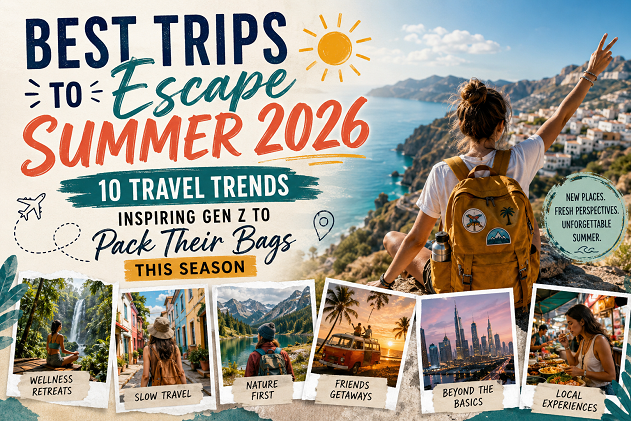
Summer outdoor recreation is changing because young travelers are not looking for the same vacation model their parents followed. Gen Z is less interested in spending a whole trip inside one resort or moving through a list of famous attractions. They want nature, movement, social connection, low-cost experiences, personal stories and enough flexibility to change plans when the mood, weather or budget changes.
This does not mean every young traveler wants extreme adventure. Many prefer outdoor time that feels accessible and shareable without becoming exhausting. They may spend downtime editing photos, messaging friends, planning routes or taking a short digital break with online lightning roulette, but the core of the 2026 summer trip is increasingly physical: walking, swimming, camping, festivals, local transport, short escapes and outdoor activities that create a story.
Nature Without Isolation
Gen Z travelers often want nature, but not necessarily isolation. A remote mountain expedition may appeal to some, yet many prefer outdoor formats that combine scenery with access to food, transport, phone signal and other people. This is why lakes near cities, national parks with good infrastructure, coastal walking routes, campgrounds, glamping areas and small towns near trails are attractive.
The goal is to feel outside normal routine without losing control. A route with a train station, café, swimming spot and sunset view may be more appealing than a difficult wilderness route. Young travelers want nature that supports freedom, not nature that creates logistical stress.
This makes “soft adventure” one of the strongest summer formats. Examples include paddleboarding, kayaking, cycling, beginner hikes, forest picnics, outdoor yoga, open-air cinemas, night walks and short camping trips. These activities feel active but do not require specialist training.
Short Trips Over Long Escapes
Many Gen Z travelers have limited budgets, unstable schedules, freelance work, exams, early careers or part-time jobs. As a result, short trips are often more realistic than long vacations. A two-night stay, a weekend train route or a one-day outdoor plan can feel more useful than waiting for one large trip that may never happen.
Short outdoor trips also fit the way young travelers plan. They can be organized through group chats, saved maps, social media posts, weather apps and last-minute transport searches. This creates a more flexible travel style.
The challenge is that short trips need focus. If there are only two days, the plan should not include too many transfers. One lake, one town, one festival or one hiking base is usually enough. The best short trips are simple enough to happen and specific enough to feel memorable.
Social Wellness, Not Silent Retreats
Wellness travel has expanded beyond spas and strict retreats. For Gen Z, wellness often means sleep, movement, mental reset, social connection and time away from screens or work pressure. Outdoor recreation fits this well because it combines body movement with a change of environment.
However, young travelers often prefer wellness that still feels social. Sauna evenings, group hikes, outdoor fitness classes, sober parties, swimming sessions, yoga in parks, food markets and camping weekends can all provide recovery without isolation.
This is important because burnout and stress are common among young adults, but many do not want a vacation that feels like a medical program. They want something that helps them feel better while still allowing humor, friends, music, food and shared experience.
Content Matters, but Not in the Old Way
Gen Z is often described as traveling for social media, but the reality is more nuanced. Photos and videos matter, but many young travelers are moving away from obvious tourist clichés. They want places that look personal, local or unusual. A small lake pier, roadside diner, empty football field, market stall or campsite breakfast may feel more valuable than the same landmark photo everyone has already seen.
This changes how outdoor routes are built. The best route is not always the most famous one. It is the route with texture: changing light, water, movement, food, transport and small details. Travelers want scenes that feel like part of their own story.
At the same time, content pressure can create problems. If the trip becomes only about capturing images, rest disappears. A better balance is to choose visually interesting places but allow time to experience them without filming every moment.
Budget Control Is Part of the Experience
Young travelers are price-aware. Outdoor recreation is attractive partly because it can be cheaper than hotels, clubs and long-distance flights. Picnics, hikes, wild swimming where legal, public beaches, local trains, hostels, campsites and shared rentals all make summer more accessible.
But low-cost travel still needs planning. Transport, gear, food, tickets, luggage storage and last-minute bookings can add up. Gen Z travelers often look for formats where spending feels optional rather than constant. A good outdoor day might include one paid activity and several free elements: a walk, swim, sunset, market visit and shared meal.
This is also why group travel works well. Friends can split accommodation, fuel, food and equipment. The trip becomes both cheaper and more social.
Sustainability as a Practical Filter
Sustainability matters to many young travelers, but it is often expressed through practical choices rather than formal eco-language. They may choose trains over flights when possible, stay closer to home, visit less crowded areas, carry reusable bottles, avoid waste at beaches, support local food vendors or choose nature activities with lower impact.
The most effective sustainable outdoor recreation is not about perfection. It is about reducing unnecessary damage. Staying on marked trails, respecting fire rules, avoiding overcrowded natural spots, taking trash back and choosing legal swimming or camping areas all matter.
For Gen Z, sustainability also connects with authenticity. A trip that harms the place loses value. A trip that supports local life feels better.
Flexible Planning With Digital Tools
Young travelers use digital tools heavily, but not always for rigid planning. They use maps, short videos, AI tools, weather apps, booking platforms and group chats to create flexible options. The plan is often modular: one main idea, several backups and a shared list of places.
This works well for summer because weather, heat and crowds change quickly. A beach day can become a forest walk. A hike can become a market visit. A festival can become an evening swim.
The best 2026 outdoor plans are not overplanned. They are prepared enough to avoid stress and open enough to allow discovery.
What Gen Z Wants Most
In 2026, Gen Z outdoor recreation is less about escape from life and more about making life feel wider. Young travelers want movement, nature, friends, recovery, affordability and stories that feel personal. They are not rejecting comfort, technology or cities. They are combining them with outdoor time in a more flexible way.
The strongest summer formats will be short, active, social and adaptable: lake weekends, train-based escapes, beginner camping, local festivals, city beaches, soft adventure sports, food routes and nature stays near small towns. For Gen Z, the best outdoor vacation is not the most distant or expensive one. It is the one that feels real, usable and worth remembering.