
Two Factor Login Adds Ten Seconds and Removes the Worst Outcome
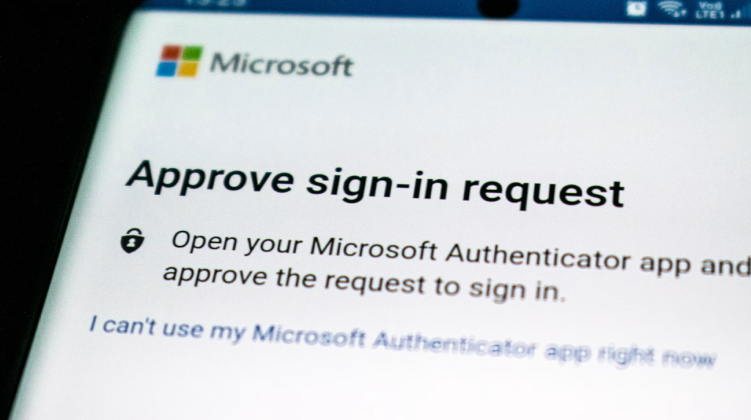
A stolen password used to be the whole story. Someone guessed it, bought it off a leak database, or phished it through a fake support chat, and within minutes a betting account was drained, its payout method swapped, and the original owner locked out. Two-factor login breaks that chain at the one point that actually matters – the moment between “I have the password” and “I’m in.”
The friction is real but small. On a typical x3bet login, the second step adds roughly eight to twelve seconds: open an authenticator app or SMS message, read six digits, type them in. Compare that against the average three to six weeks it takes a player to notice unauthorized withdrawals, dispute them with support, and get funds provisionally restored – if the operator’s terms even allow a refund at that stage.
What a Second Factor Actually Checks
A password proves you know something. A second factor proves you also hold something – a phone, an authenticator app, a hardware key – or that you are physically you, via a fingerprint or face scan. An attacker who buys a leaked password from a breach dump has the “know” half instantly. Getting the “have” half means physically controlling a device that isn’t theirs, which is a different, far harder crime.
This is why breach databases stay dangerous for years after the original leak. A password reused across three sites in 2021 can still unlock an account in 2026, because passwords don’t expire on their own. A second factor tied to a physical device does expire the attack, immediately, without the account holder doing anything except setting it up once.
The Ten-Second Tax, Broken Down
Nobody enjoys an extra step, so it helps to see what that step actually costs against what it prevents. The numbers below come from typical mobile authenticator flows rather than SMS, which runs a few seconds slower due to network delivery.
| Step | Time added | What it blocks |
| Open authenticator app | 2-3 seconds | Stops password-only bots |
| Read 6-digit code | 2 seconds | Stops replayed old passwords |
| Type code, submit | 3-5 seconds | Stops session hijacking on new devices |
| Occasional re-verification | 5 seconds, rare | Stops long-dormant stolen sessions |
Add it up and a heavy user checking a betting slip four times a day spends under a minute total. That minute is the entire insurance premium against an account takeover that, once it happens, typically costs far more than time – withdrawal holds, identity re-verification, and in some cases a permanently frozen balance while the operator investigates fraud.
Where Compromised Logins Actually Do Damage
Account takeover isn’t a single event; it plays out in a predictable sequence once someone else controls the login.
The First Ten Minutes
Automated tools, not a human typing manually, do the initial break-in. Credential-stuffing bots test thousands of leaked username-password pairs per minute against login forms across dozens of sites simultaneously. A weak or reused password gets flagged as “valid” almost immediately, and the account moves into a queue for manual exploitation within the hour.
The Payout Redirect
Once inside, the standard move is changing the linked payment method or withdrawal address before the real owner notices anything unusual. This step alone accounts for the majority of reported betting-account fraud losses, because most platforms process a withdrawal change faster than they flag it as suspicious.
A second factor closes both stages at once, because neither the bot nor the manual operator that follows it can complete the login step in the first place:
- Credential-stuffing bots fail instantly – they have no way to generate a live six-digit code
- Manual fraud operators lose access to the account even with a correct, working password
- Session hijacking attempts get flagged when a new device requests a fresh code
Once funds move, undoing the damage means proving identity to a support team, often with document uploads and a multi-day review window. Two-factor login sidesteps that entire process by making the takeover impossible to start.
Making the Ten Seconds Feel Like Nothing
Most authenticator apps let a device stay “trusted” for a set number of days, so the extra step only appears on new devices or after a password reset – not on every single login. Pairing that with a password manager that autofills the first factor turns the whole sequence into two taps instead of two typed forms.
The math rarely favors skipping it. Ten seconds, a handful of times a week, against weeks of account lockout and a payout dispute that may not resolve in the player’s favor – that trade only looks close before the first breach, never after it.