The Origin and History of Satta Matka in India
Satta Matka is one of the most recognizable forms of traditional number-based gambling to emerge from India. Over several decades, it developed from a relatively simple betting practice into a widespread cultural phenomenon associated with numbers, predictions, local markets, and underground betting networks. Understanding the satta matka history in India offers an interesting look at how an informal betting system changed with society, technology, and popular culture.
The Early Origins of Satta Matka
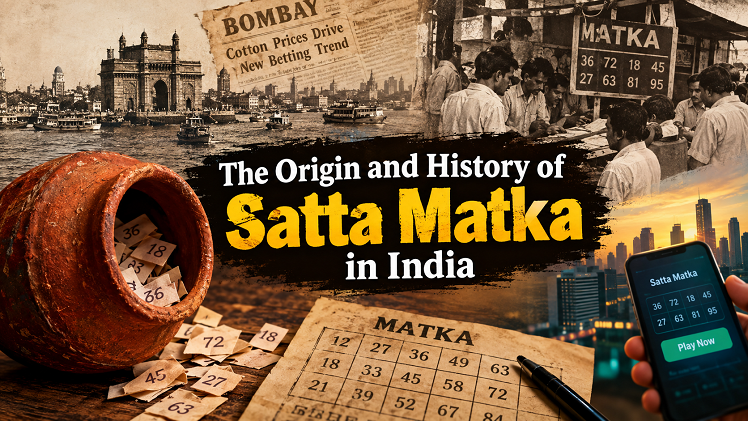
The roots of Satta Matka can be traced back to the cotton trade in Mumbai, which was then known as Bombay, during the 1950s. At the time, some people reportedly placed bets on the opening and closing rates of cotton transmitted from the New York Cotton Exchange.
According to widely circulated historical accounts, the practice changed when information about cotton prices was no longer used for determining results. Instead, random numbers began to form the basis of the betting system. This transformation helped create what became known as Matka.
The word “Matka” literally refers to an earthen pot. In the traditional system, numbered slips were placed inside a pot and randomly selected. This method of drawing numbers eventually became closely associated with the name of the game.
The Rise of Matka Betting
As the system became more popular, it evolved beyond its original format. Different methods of selecting numbers and placing bets were introduced, allowing participants to choose individual numbers or combinations.
During the 1960s and 1970s, Matka gained significant popularity in Mumbai and surrounding areas. One of the most influential names connected with this period was Ratan Khatri, who is often described in historical accounts as a major figure in the development and organization of Matka betting.
The growth of Matka was closely connected to the expanding urban population of Mumbai. Local betting centers became gathering points where participants could submit their choices, check results, and discuss possible numbers.
Worli Matka and Growing Popularity
One of the most famous developments in the history of the game was the rise of Worli Matka. The term became associated with betting activities centered around the Worli area of Mumbai and eventually became widely recognized throughout India.
As interest increased, numerous variations appeared, with different markets, schedules, and methods of selecting winning numbers. Newspapers, handwritten records, and word-of-mouth communication played an important role in distributing results before the arrival of modern digital technology.
The popularity of Matka was not limited to one particular social group. People from different backgrounds participated, contributing to its place within the broader history of informal gambling in India.
Satta Matka in Popular Culture
The influence of Matka eventually extended beyond betting circles. The subject appeared in conversations about Mumbai’s underground economy and was referenced in films, books, newspapers, and popular storytelling.
For many people, Satta Matka became associated with the idea of taking a small financial risk in the hope of receiving a larger return. This helped create a strong cultural image around numbers, luck, intuition, and prediction.
At the same time, the activity attracted criticism because of the financial risks involved. Losses could accumulate quickly, particularly when participants repeatedly placed bets in an attempt to recover previous losses.
The Digital Transformation
The arrival of computers, mobile phones, and the internet significantly changed how number-based betting services were promoted and accessed. Information that once traveled through physical locations and personal networks could increasingly be shared online.
Today, searches related to the history, results, and terminology of Matka can be found across the internet. Websites such as satta matka history in india resources provide information for people interested in understanding the terminology and historical development surrounding the subject.
However, the legal position of gambling activities can vary depending on the specific activity and jurisdiction in India. Anyone researching or participating in such activities should understand the laws applicable to their location.
The Legacy of Satta Matka
The history of Satta Matka reflects more than the evolution of a betting format. It also demonstrates how traditional practices can change as communication methods, technology, and urban culture develop.
From its reported beginnings in Mumbai’s cotton-trading environment to its transformation into a widely recognized form of number-based betting, Matka has maintained a distinctive place in India’s social history. Its vocabulary, stories, personalities, and changing methods continue to attract interest from people researching the evolution of gambling and popular culture in the country.
For anyone exploring the satta matka history in india, its journey provides a fascinating example of how a localized practice developed into a phenomenon known across generations.