Why First Aid Training In Noosa Is Essential For Everyday Safety?
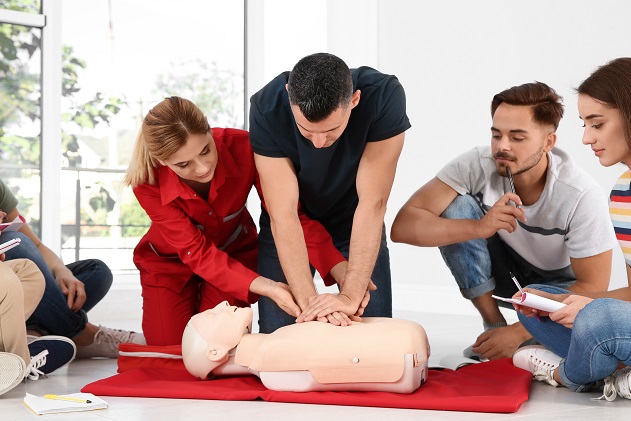
Safety is something most people take for granted until an emergency happens. Being able to act quickly can make a big difference, whether it’s a small injury at home or a major event in public. This is why more individuals are recognising the value of first aid training Noosa as a practical and life-enhancing skill. Not only does knowing what to do in an emergency keep you safe, but it also makes the world a better place for everyone else.
Building Confidence In Emergency Situations
One of the most important benefits of first aid training is the confidence it brings. Many people panic when faced with emergencies simply because they do not know what to do. Training removes that uncertainty by providing clear steps to follow. Participants learn how to assess situations, prioritise actions, and remain calm under pressure.
This confidence extends beyond emergencies. It influences how people approach daily life, making them more aware of potential risks and better prepared to handle unexpected situations. Knowing that you can step in and help when it matters most gives a sense of responsibility and empowerment.
Quick Response Can Save Lives
Time is critical in emergencies. Whether someone is experiencing cardiac arrest, choking, or severe bleeding, immediate action can significantly improve outcomes. First aid training teaches essential skills such as CPR, wound care, and managing injuries until professional help arrives.
Even a few minutes of delay can worsen a situation, but a trained individual can provide immediate assistance. This rapid response can stabilise a person, prevent complications, and sometimes even save a life. These are not rare situations. They can occur at home, in the workplace, or even during routine outings.
Everyday Situations Require Basic Skills
Emergencies are not always dramatic events. Every day, accidents such as cuts, burns, sprains, or allergic reactions happen frequently. Having the knowledge to handle these common issues properly can prevent them from becoming serious.
People who complete a first aid course Noosa QLD, often report that they use their skills regularly in small but meaningful ways. From treating a child’s injury to assisting a colleague, these everyday applications highlight the practical importance of first aid knowledge.
Creating Safer Workplaces And Communities
First aid training plays a vital role in improving safety standards across workplaces and communities. Employers increasingly encourage staff to be trained so that immediate help is available if an incident occurs. This reduces risks and ensures compliance with safety regulations.
In community settings, trained individuals act as valuable resources. Whether at schools, events, or public spaces, having people who can respond effectively increases overall safety. It fosters a culture where individuals look out for one another and are prepared to step in when needed.
Preparedness For Outdoor And Coastal Environments
Noosa is known for its beautiful beaches, outdoor activities, and active lifestyle. While these are enjoyable, they also come with certain risks. Water-related incidents, heat exhaustion, and outdoor injuries are common in such environments.
People who have learned first aid are prepared to handle these unique situations. Understanding how to respond to drowning incidents, dehydration, or injuries during outdoor activities ensures that people can enjoy their surroundings while staying safe.
Supporting Family Safety At Home
The home is one of the most common places for accidents to occur. Children, elderly family members, and even adults are vulnerable to unexpected incidents. First aid training helps individuals create a safer home environment by teaching prevention as well as response.
Parents especially benefit from learning how to handle situations such as choking, falls, or burns. Having these skills means that help is available immediately without waiting for external assistance. This level of preparedness provides peace of mind for families.
Expanding Knowledge Across Regions
While focusing on local training is important, understanding how skills apply in different areas can also be beneficial. For example, programs offering first aid in North Lakes emphasise similar core skills while adapting to local community needs. This highlights how first aid knowledge is universal and valuable regardless of location.
Learning from various approaches enhances overall understanding and prepares individuals to respond effectively in diverse situations.
Encouraging A Culture Of Responsibility
It’s not enough to just learn how to do first aid. It is about developing a mindset of responsibility and care. Trained individuals are more likely to take proactive steps to prevent accidents and promote safety awareness among others.
This cultural shift has a ripple effect. As more people become trained, communities become safer, and the likelihood of effective emergency response increases. It transforms safety from an individual concern into a shared responsibility.
Conclusion
Learning how to give first aid is an important life skill that goes beyond basic understanding. It builds confidence, enables quick action, and prepares individuals to handle both minor and major emergencies. In a place like Noosa, where active lifestyles and community engagement are common, these skills are even more valuable. Investing time in learning first aid is an investment in safety, not only for yourself but for everyone around you. By being prepared, you contribute to a safer, more supportive community where help is always within reach when it is needed most.